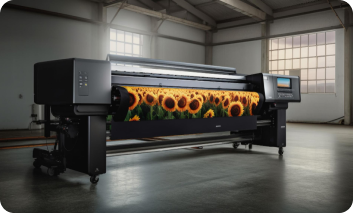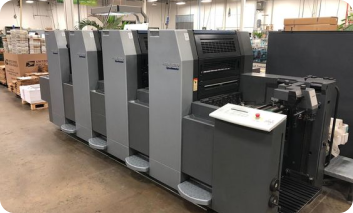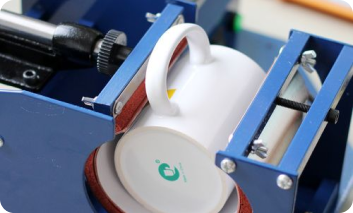
Direct Imaging Printing process

The process begins with the creation of a digital file that contains the content to be printed. This digital file is typically designed using graphic design software.

Instead of using separate plates for each color, DI Printing employs a digital imaging system to transfer the image directly onto the printing plate. This step is often done using lasers or other imaging technologies. The printing plate is a crucial component in offset printing, as it carries the image to be printed.

The printing press has an inking system that applies ink to the non-image areas of the plate. The ink adheres to the areas that were not exposed during the imaging process, creating a negative image on the plate.

The inked plate then comes into contact with a rubber blanket cylinder. The rubber blanket cylinder transfers the inked image from the plate to the blanket.

Finally, the inked image is transferred from the rubber blanket to the printing substrate (usually paper or another material). This step results in the creation of the final printed material.

After the printing process, the printed material may go through a drying process to ensure that the ink sets properly. Additional finishing processes, such as cutting, folding, or binding, may also be applied depending on the specific requirements of the print job.

DI Printing offers benefits such as faster setup times, reduced waste, and improved print quality. It is particularly suitable for short to medium print runs and is commonly used in commercial printing applications.