Book printing
Book printing is a multifaceted process involving several key stages to transform a manuscript into
a physical book. This intricate process ensures the production of high-quality, well-bound books for
distribution and consumption.
The initial phase of book printing involves pre-press preparation. This encompasses activities such
as editing and formatting the manuscript to meet printing specifications. Design elements, such as
font types and sizes, page layout, and any images or illustrations, are also finalized during this
stage. Once the manuscript is ready for printing, it is converted into a printable format, often
through digital files or printing plates.
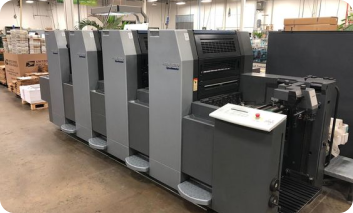
The choice of printing method is a critical decision in book printing. Common methods include offset
printing and digital printing. Offset printing, suitable for high-volume printing, involves
transferring ink from plates to a rubber blanket and then to the printing surface. Digital printing,
on the other hand, is more cost-effective for short runs and allows for greater flexibility in
customization.
Paper selection is another crucial aspect of book printing. Factors such as paper weight, texture,
and finish contribute to the overall look and feel of the book. The type of binding is also
determined during this stage, with options ranging from perfect binding for paperbacks to sewn
bindings for hardcovers.
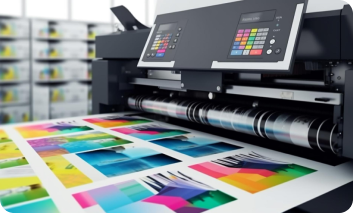
Once the printing press is set up and ready, the actual printing process begins. For offset
printing, ink is applied to the plates, transferred to a rubber blanket, and then onto the paper. In
digital printing, the digital file is directly transferred to the printing press, eliminating the
need for plates.
Quality control measures are implemented throughout the printing process. This includes regular
checks for color accuracy, print clarity, and any potential defects. Adjustments are made as needed
to maintain the desired quality standards.
After printing, the sheets are collated, folded, and gathered in the correct order. The binding
process is then initiated, with options like perfect binding, saddle stitching, or case binding,
depending on the book type. Cover printing and lamination may also be applied during this stage to
enhance the book's durability and aesthetics.
The final step involves finishing touches and post-press activities. This includes trimming excess
edges, adding any additional features like foil stamping or embossing, and conducting a final
quality check. The printed and bound books are then packaged and prepared for distribution.
In conclusion, book printing is a meticulous process that encompasses pre-press preparation,
printing method selection, paper and binding choices, the actual printing process, quality control
measures, binding, finishing touches, and packaging. The collaboration of these stages ensures the
creation of professionally crafted books ready for readership and distribution.