Offset Printing

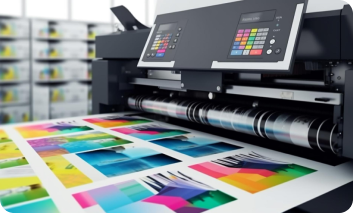
Offset printing, also known as offset lithography, is a widely used and versatile printing process that involves the transfer of ink from a plate to a rubber blanket and then onto the printing surface, usually paper. This method is highly efficient for large-scale printing projects, such as magazines, newspapers, brochures, and other high-volume publications. The offset printing process comprises several key stages.

The first step involves pre-press preparation. A digital file containing the artwork and text is converted into film or plates. These plates are typically made of aluminum and contain the image areas that will transfer ink to the printing surface. Each color in the design requires a separate plate.

Once the plates are prepared, they are mounted onto the printing press. Offset printing presses can be sheet-fed or web-fed. In a sheet-fed press, individual sheets of paper are fed into the press, while a web-fed press uses rolls of paper that continuously feed through the machine.

The printing press itself consists of several rollers and cylinders. The image areas on the plates are coated with ink, while non-image areas repel ink with the help of a water-based solution. This offsetting process ensures that ink is transferred only to the desired areas of the printing surface.

After the ink is applied to the plate, it is transferred to a rubber blanket cylinder. This intermediate step is crucial as it allows for a smoother transfer of ink from the plate to the final printing surface. The rubber blanket then transfers the image onto the paper or other printing material.

Following the printing process, the printed sheets or rolls of paper move on to the next stage: drying. Offset inks typically contain oils, and the drying process may involve heat or exposure to air to evaporate these oils and set the ink. Additionally, modern offset presses may use ultraviolet (UV) curing systems for instant drying.

Once the printed material is dry, it goes through finishing processes such as cutting, folding, binding, and any other necessary post-printing operations. These processes are essential to prepare the final printed pieces for distribution or use.

Offset printing offers high-quality, consistent results with sharp and clear images. It is cost-effective for large print runs due to the efficiency of the process. However, the setup time and cost make it less suitable for small quantities compared to digital printing methods. Overall, offset printing remains a key technology in the commercial printing industry, providing high-volume, high-quality printing for a variety of applications.