Mug printing process
Mug printing is a popular and creative method of personalizing everyday items. The process typically
begins with the selection of a suitable mug. Mugs come in various materials, including ceramic,
porcelain, and stainless steel, each offering different printing possibilities. Once a mug is
chosen, it undergoes a thorough cleaning process to remove any dust, oils, or residues that could
affect the adhesion of the ink.
The next step involves preparing the design for printing. This can be a customized image, logo, or
text, depending on the customer's preferences. Graphic design software is commonly used to create or
modify the design to fit the dimensions of the mug. It's crucial to ensure that the design adheres
to the printing specifications and has the right resolution for optimal quality.
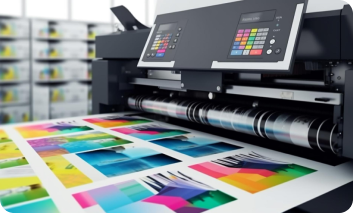
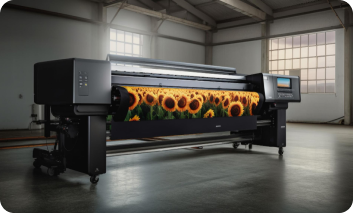
After finalizing the design, it is transferred onto a special transfer paper using a high-quality
printer with sublimation inks. Sublimation inks are preferred for mug printing because they have the
ability to transform from a solid to a gas without passing through a liquid phase. This unique
characteristic allows the ink to permeate the surface of the mug, resulting in a durable and vibrant
print.
With the design on the transfer paper, it is time for the heat transfer process. The paper is
carefully wrapped around the mug, ensuring that the design is precisely aligned. The mug is then
placed in a heat press, a specialized machine that applies consistent heat and pressure. The
combination of heat and pressure causes the sublimation inks to vaporize and bond with the mug's
surface, creating a permanent and high-quality print.
Once the heat transfer process is complete, the mug undergoes a cooling period to solidify the
print. After cooling, any excess transfer paper is removed, revealing the final printed design on
the mug. Quality control measures are often implemented at this stage to inspect the print for any
imperfections or defects. If necessary, adjustments can be made to improve the overall quality of
the printed mug.
The final step involves packaging and presentation. Printed mugs are carefully inspected, and if
they meet the quality standards, they are packaged securely to prevent any damage during
transportation. The personalized mugs are now ready to be shipped to the customer or displayed in a
retail setting.
In conclusion, mug printing is a meticulous process that involves selecting the right mug, preparing
the design, printing with sublimation inks, heat transfer, quality control, and packaging. This
method allows individuals to express their creativity and uniqueness by transforming ordinary mugs
into personalized and meaningful items.