T-Shirt printing
T-shirt printing is a versatile and popular method of customizing apparel, allowing individuals and
businesses to express creativity and personal style. The process involves several key steps to
achieve high-quality and durable prints on T-shirts.
The first step in T-shirt printing is selecting the appropriate T-shirt blank. The choice of fabric,
color, and style can significantly impact the final result. Common materials include cotton,
polyester, and blends, each offering different printing characteristics. Once the T-shirt is chosen,
it undergoes a pre-treatment process, which involves cleaning and sometimes applying a coating to
improve ink adhesion.
Design creation or selection follows the T-shirt preparation. Customers can choose from existing
designs or create their own using graphic design software. It's essential to consider the size,
placement, and color of the design to ensure it aligns with the customer's vision and meets printing
specifications.
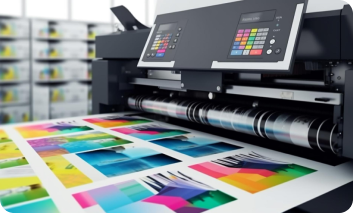
The selected design is then transferred onto a special transfer medium, commonly through a process
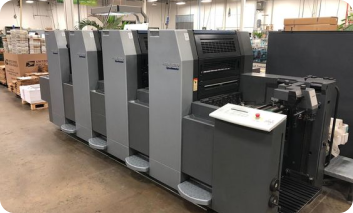
called screen printing, direct-to-garment (DTG) printing, or heat transfer. Screen printing involves
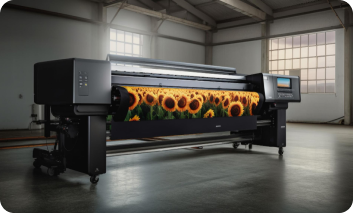
creating a stencil and applying ink through the screen onto the T-shirt. DTG printing utilizes
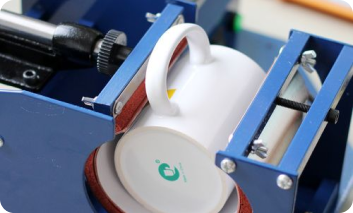
specialized printers that directly apply ink to the fabric. Heat transfer involves printing the
design onto transfer paper and using heat and pressure to transfer it onto the T-shirt.
Screen printing is often chosen for bulk orders due to its cost-effectiveness, while DTG printing is
ideal for intricate designs and smaller quantities. Heat transfer is a versatile method suitable for
various fabrics and designs.
Once the printing process is complete, the T-shirts undergo a curing process to set the ink and
ensure durability. This may involve heat curing for screen-printed shirts or allowing the ink to dry
and cure for DTG and heat transfer methods.
Quality control is a crucial step to inspect the printed T-shirts for any defects or imperfections.
This may include checking for color accuracy, print alignment, and overall print quality. Any issues
are addressed, and adjustments are made to meet quality standards.
After passing quality control, the printed T-shirts are ready for post-production processes, such as
folding, tagging, and packaging. Custom T-shirts are then packaged securely to prevent damage during
transportation.
In conclusion, T-shirt printing involves selecting the right T-shirt, preparing or selecting a
design, choosing a printing method, curing the ink, quality control, and post-production processes.
This customizable and creative process allows individuals and businesses to showcase their unique
styles and messages through personalized apparel.